
Did you know that there are studies that prove the relationship between the variety of colours of meals and the feeling of joy from eating?
As it turns out, the more varied dishes we eat, the more they bring us pleasure. In addition, colourful foods are intuitively perceived as healthier. Each colour group of fruits and vegetables has its own unique properties.
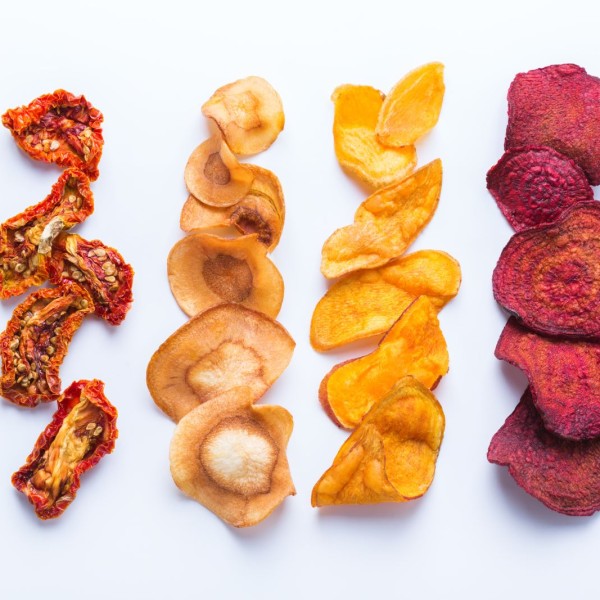
- Red plants are primarily a source of lycopene and anthocyanins. Lycopene reduces blood pressure, supports heart function and has anti-inflammatory effects. Anthocyanins, in turn, can counteract the aging process, lower cholesterol levels and reduce body weight. Both compounds have anti-cancer effects. Both anthocyanins and lycopene can be found in red peppers, tomatoes (especially processed ones), strawberries and raspberries.
- Orange and yellow fruits and vegetables are an excellent source of carotenoids, including beta-carotene and lutein. These compounds protect us from the negative effects of environmental factors - tobacco smoke or car exhaust fumes. They improve immunity, reduce the risk of eye diseases, support intestinal function, improve liver function, lower blood glucose levels and delay the aging process. They are found in carrots, pumpkins, yellow and orange peppers, mangoes and apricots.
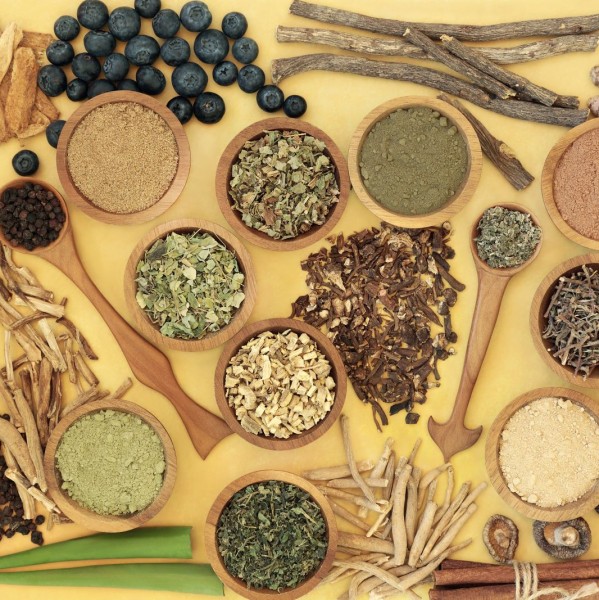
- Green fruits and vegetables are rich in chlorophyll, folic acid and vitamin K. They have a detoxifying effect, support brain function, and reduce the risk of bone fractures. Reach for green peppers, broccoli, spinach, lettuce, kale, arugula, green apples and grapes or kiwi.
- Purple and blue plants are a mine of anthocyanins, which protect against cell damage and reduce the risk of cardiovascular diseases and cancer. Blueberries, berries, dark grapes and red currants are also a source of dietary fiber, vitamin C and potassium, which prevent hypertension and obesity.
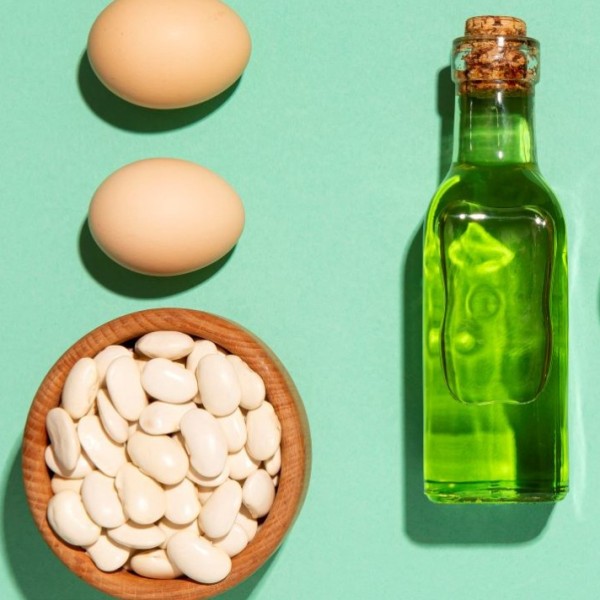
- And although the last group seems the least attractive of the above, it is no less important. Apples, pears, cauliflower and onions are white plants that reduce the risk of circulatory diseases and some cancers, support the immune system and protect against chronic diseases such as type 2 diabetes, hypertension and inflammatory diseases.
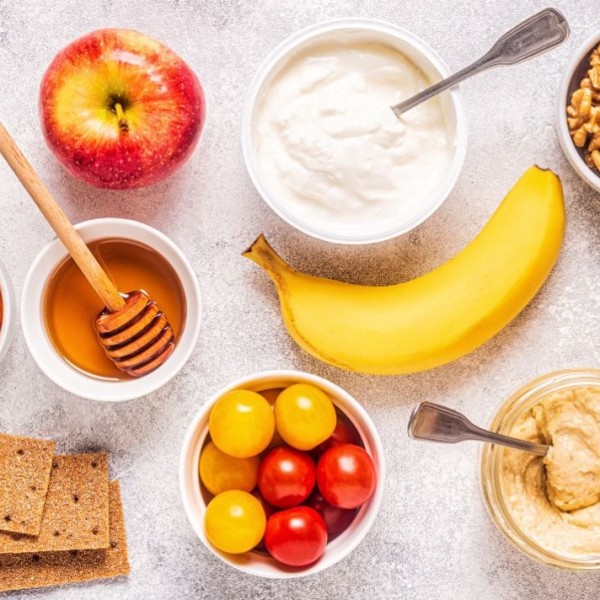
The variety of colors on your plate is primarily a way to provide your body with a wide range of nutrients and health-promoting ingredients. Each color represents unique benefits for your health - from supporting the immune system, through improving the functioning of the heart and brain, to protecting against chronic diseases. A daily dose of colors on your plate is a simple but effective step towards better well-being and quality of life.